Masters Insights Blog
Decoding Liberation Day: Supply Chain Executives Breaking Down The Tariff Tsunami
Published in the Weekly News Digest – April 2025
Inside This Week's Episode
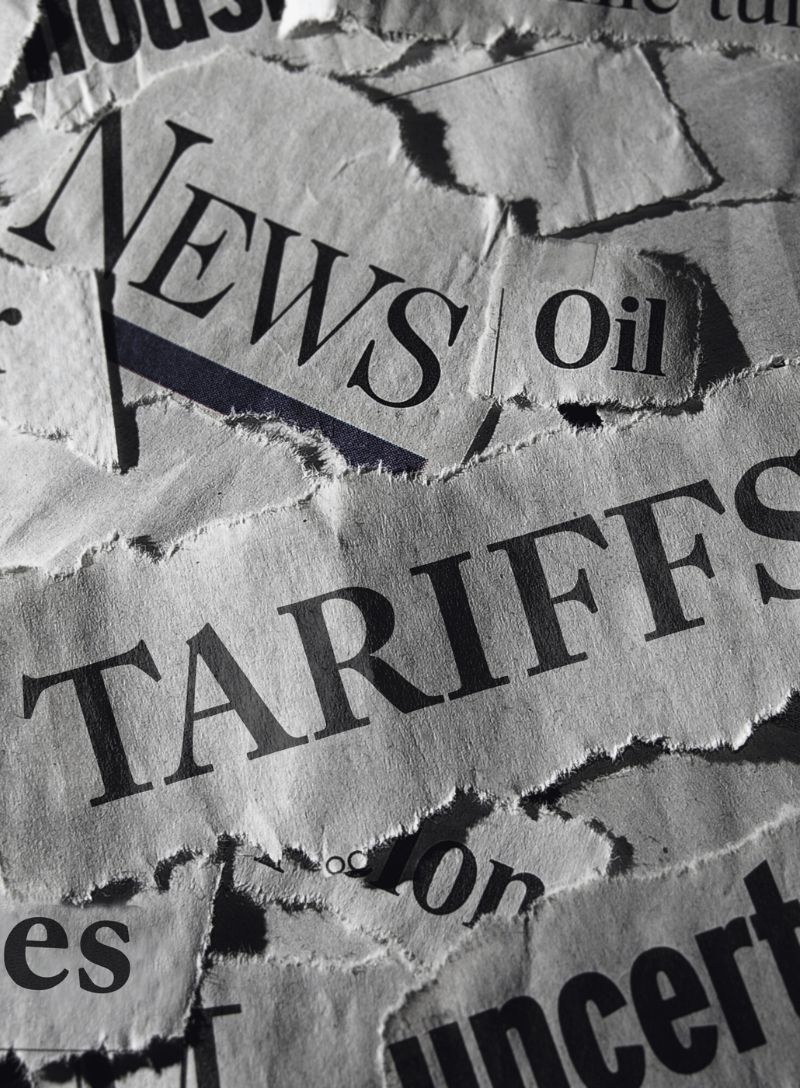
This week’s Masters of Supply Chain News Digest dropped just hours after the U.S. administration announced sweeping new tariffs, sparking confusion, concern—and a flurry of phone calls across the industry.
In this urgent debrief, David Warrick is joined by John Church and Sasha Pailet Koff to help us make sense of what’s happening, what it might mean, and what leaders should do next.
Let us know in comments below how your supply chain teams are responding to these new regulations.
Listen on YouTube & Apple Podcast
Catch our in-depth discussion on the future of supply chain management. Watch the full episode and gain valuable insights from industry experts. Don’t forget to subscribe to our YouTube channel for more content!


Receive Masters of Supply Chain Updates
Don’t miss out on the latest episodes and insights. Submit your email address to receive latest updates.
Episode Key Takeaways
🔍 Executive Summary
In this special episode of the Masters of Supply Chain News Digest, David Warrick, John Church, and Sasha Pailet Koff unpack the unexpected and sweeping tariff policy changes announced this week. From confusion in the Rose Garden to shockwaves in boardrooms and loading docks, this paper distills their expert take on how global supply chains are reacting—and what comes next.
📉 A Week of Whiplash
“This was supposed to bring clarity,” John noted, “but instead we got questions.” The new tariff policy—combining universal and reciprocal levies—has left businesses scrambling to understand the true impact.
What was expected to be a stabilizing measure turned into a scramble. Companies were caught off guard by the scale, timing, and lack of detail, especially given that reciprocal tariffs were in addition to universal ones, not a replacement.
🌏 Vietnam, Nike, and the Ripple Effect
David illustrated the shock with Nike’s strategy: after shifting sourcing from China to Vietnam, the company now finds 44% of its product portfolio subject to a 56% tariff. This undercuts years of strategic planning.
“Ten or even twenty percent we could plan for. But fifty-six? The math doesn’t work,” David stated.
Sasha and John echoed concerns across industries, with scenario planning suddenly insufficient. “This goes beyond sourcing. This is pricing, margin modeling, customer strategy—all at once.”
🧮 Digital Advantage, SMB Disadvantage
Larger companies, armed with digital tools and real-time analytics, are running models and war-gaming options. But small and midsize businesses? Many are stuck.
Sasha pointed out a “digital divide”:
“Some SMBs can’t even see the full supply chain, let alone optimize it under pressure.”
As a result, smaller players are disproportionately vulnerable. Whether they’re retail importers, independent sellers, or boutique manufacturers, they’re facing rising costs and reduced visibility.
🔄 Tariffs, Timing, and Tradeoffs
Amid the chaos, one insight is clear: this may be just the opening bid. David highlighted the potential for exemptions, signaling a future of negotiations and political maneuvering.
In the meantime, the team cautioned against overreaction. “This is ‘hurry up and wait’ territory,” David advised. “Be ready to act, but don’t leap until more is known.”
🚗 Real-Time Impacts
Impacted sectors include:
-
Automotive: Global OEMs are already announcing potential plant shutdowns and layoffs.
-
Consumer goods: Short-life-cycle products will see price spikes almost immediately.
-
Medical devices: Included in the policy, unlike pharmaceuticals, creating confusion and concern.
Sasha added:
“Now it’s not just about inventory or sourcing—it’s pricing on goods in-transit and at origin.”
📦 The End of De Minimis?
One under-the-radar bombshell: a second executive order ending the de minimis rule. This change could drastically slow customs clearance, flood ports with backlogs, and introduce new costs for freight and ecommerce logistics.
💬 Policy or Posturing?
John posed a provocative question:
“Is this protectionism? Or a tactical opening move?”
While some hope for negotiation and rollback, others brace for long-term shifts. Bloomberg estimates a 1.6% inflation bump and a 3.5% hit to GDP—this year alone.
📍 Strategic Takeaways
The team emphasized several key steps for supply chain leaders:
Map exposure fast: Understand where you’re vulnerable—by product, country, and value tier.
Scenario-plan pricing: Model consumer impacts across multiple tariff levels.
Segment inventory: Differentiate strategies for in-transit, at origin, and manufactured goods.
Watch for exemptions: These may become lifelines—but will require speed and clarity.
Stay agile: Refrain from massive shifts unless you see a sustained signal in policy.
🧠 Final Thoughts
As Sasha put it, “These aren’t just boardroom questions. These are operational fire drills.”
David summed it up best:
“This isn’t just a supply chain story. This is a consumer story. Everyone’s going to feel it.”
Check out more Masters' Insights Blog Posts
Request to Join Our Next Live Roundtable
Our Masters of Supply Chain Roundtables are monthly, interactive conversations featuring senior supply chain executives, technology experts, and transformation leaders. Each session dives deep into the most urgent topics shaping the future of global supply chains—from AI and automation to sustainability, planning, and risk. Designed for current and aspiring end-to-end leaders, these invite-only events are your front-row seat to what’s coming next.